

Chronic fatigue, persistent bloating, unexplained skin conditions, mood swings or heightened immune sensitivity? These signals may point to an imbalance of the gut microbiome, also known as “dysbiosis”.
At Kensington Clinic in London, you can have a gut microbiome test carried out. This examination gives you access to a precise mapping of the bacteria that populate your gut, while helping you understand how they influence your overall health.
At our private clinic, this health assessment is primarily led by Dr Owen Woghiren, consultant in chronic inflammatory bowel disease and clinical nutrition. You benefit from a complete analysis, a rigorous medical interpretation and a micronutrition plan tailored to your profile.
Meet Our
gastroenterology team
in London
Three consultant gastroenterologists perform every gastroscopy procedure at our London clinic. Each brings complementary expertise that reflects the clinic’s premium standards.

Dr Noriko Suzuki (endoscopy lead)
Consultant gastroenterologist
Specialities:
- Advanced therapeutic endoscopy.
- Endoscopic submucosal dissection (ESD).
Background & Affiliations:
- Practises at St Mark’s Hospital, an international reference centre for digestive disease.
- Recognised across the UK for the resection of early oesophageal and gastric lesions, often curative at the pre-cancerous stage.
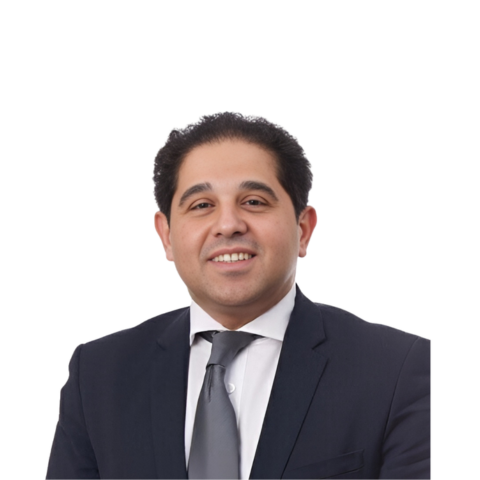
Dr Akeel Alisa
Consultant gastroenterologist
Specialities:
Upper digestive endoscopy.
Diagnostic and therapeutic exploration.
Background & Affiliations:
- Extensive hospital practice.
- Performs routine gastroscopies and complex investigations with a constant focus on patient education.
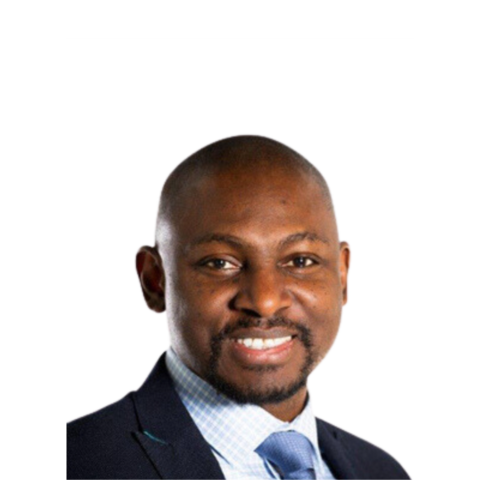
Dr Owen Woghiren
Consultant gastroenterologist
Specialities:
Upper endoscopy.
Gut microbiome health
Background & Affiliations:
- Dual expertise enabling an integrated reading of the digestive tract, particularly useful for functional disorders associated with upper digestive symptoms.
What is a gastroscopy?
A gastroscopy is an endoscopic examination that allows the upper part of the digestive tract to be explored visually: the oesophagus, the stomach, and the first portion of the duodenum. It is performed using a thin flexible tube, the endoscope, fitted with a high-definition camera at its tip, which is introduced through the mouth under sedation.
A leading day-case procedure, gastroscopy makes it possible both to reach a precise diagnosis and, when required, to carry out certain therapeutic actions during the same examination:
- Biopsy;
- Helicobacter pylori test;
- Treatment of active bleeding;
- Removal of small lesions.
Most of our patients return home less than two hours after their arrival at the clinic.
What can a gastroscopy detect?
A gastroscopy allows precise identification of a wide spectrum of conditions affecting the oesophagus, stomach and duodenum, ranging from benign inflammation to early-stage pathologies requiring prompt management.
The main conditions diagnosed during a private gastroscopy in our London clinic include:
Conditions detected | Clinical implications |
Reflux oesophagitis | Inflammation of the oesophagus caused by acid reflux |
Gastric or duodenal ulcer | Lesion of the lining requiring targeted treatment |
Helicobacter pylori infection | Bacterium responsible for ulcers, treatable with antibiotics |
Barrett’s oesophagus | Pre-cancerous change in the oesophageal lining |
Dysplasia | Cellular abnormality requiring close monitoring |
Oesophageal or stomach cancer | Early detection essential to prognosis |
Chronic gastritis | Inflammation of the gastric lining |
Hiatus hernia | Upward displacement of part of the stomach into the chest |
Eosinophilic oesophagitis | Digestive allergy causing swallowing difficulties |
Oesophageal varices | Venous dilations linked to liver disease |
Gastroscopy vs upper endoscopy:
understanding the terminology
In UK medical practice, “gastroscopy”, “upper endoscopy” and “OGD” are synonymous. All three refer to the endoscopic examination of the oesophagus, stomach and duodenum. Ultimately, these terms are interchangeable in most clinical contexts and describe the same anatomical reality.
When patients ask about the difference between endoscopy and gastroscopy, the distinction is simple.
Endoscopy is the broader category covering all camera-based explorations of the digestive tract, whereas gastroscopy refers specifically to the examination of the upper tract.
These procedures should not be confused with a colonoscopy. Gastroscopy examines the upper digestive tract, whereas colonoscopy examines the lower digestive tract, namely the colon and rectum.The two procedures respond to different clinical indications and do not require the same preparation.
How does the OGD procedure work
At Kensington Clinic in London, a private gastroscopy follows a well-established protocol, carried out entirely on a day-case basis. Here is the step-by-step outline of your care pathway:
On arrival, the clinical team reviews your medical history, current medication and any allergies. Your vital signs are monitored before the procedure begins, and your consultant answers all your questions to put you at ease.
An IV line is placed in the crook of your arm. Propofol sedation (a short-acting, comfortable anaesthetic) is administered under continuous monitoring. You are asleep throughout the procedure and have no recollection of it, which makes the experience painless and stress-free.
Once sedation is established, the consultant gently passes the Ambu endoscope through the mouth. The high-definition camera at its tip transmits live images of the upper digestive tract onto a screen, allowing a fine-grained reading of the oesophageal, gastric and duodenal mucosa.
The consultant methodically inspects the full upper digestive tract. If necessary, biopsies or a Helicobacter pylori test are taken using micro-instruments passed through the endoscope. These steps are painless for the patient and do not significantly extend the procedure.
A gastroscopy lasts on average 10 to 20 minutes. After a short period of observation in the recovery area, you may return home accompanied by a relative or friend. Any residual effect of the sedation fades completely within a few hours.
When should you consider a private gastroscopy?
Your GP may recommend a private gastroscopy in London in several well-identified clinical situations:
- Persistent gastro-oesophageal reflux despite medical treatment;
- Difficulty or pain on swallowing (dysphagia);
- Chronic or unexplained epigastric pain;
- Recurrent nausea and vomiting, including bloody vomiting (haematemesis);
- Upper gastrointestinal bleeding, black stools (melaena);
- Iron deficiency anaemia of unexplained origin;
- Suspected Helicobacter pylori infection;
- Surveillance of Barrett’s oesophagus or a pre-cancerous lesion;
- Unexplained weight loss associated with digestive symptoms;
- Assessment prior to bariatric or anti-reflux surgery.
In all of these situations, gastroscopy provides a precise diagnosis that only direct visual examination of the digestive mucosa can deliver.
How much does a private gastroscopy cost in London?
Kensington Clinic operates on a transparent fee structure for every private gastroscopy in London.
Here is the indicative schedule of fees:
Services | Durations | Indicative fees |
Preliminary consultation | 30 min | £180 to £220 |
Diagnostic gastroscopy | 30 to 40 min | £1,400 to £1,700 |
Gastroscopy with biopsy | 30 to 40 min | £1,600 to £2,000 |
Therapeutic gastroscopy (ESD) | 45 to 60 min | £1,800 to £2,200 |
Follow-up consultation | 30 min | £150 to £180 |
These fees include: the procedure itself, single-use equipment, propofol sedation and post-operative monitoring. Biopsy analysis fees are billed separately according to the number of samples taken.
Many private health insurance plans, particularly for expatriates, cover gastroscopy when clinically indicated. We recommend checking your policy directly with your insurer before the procedure.
FAQ
Can a gastroscopy detect cancer?
Yes. Gastroscopy is the reference examination for screening and early diagnosis of upper digestive tract cancers.
Thanks to direct visualisation of the mucosa and biopsies taken during the procedure, it allows identification of:
- Oesophageal cancer;
- Stomach cancer;
- Duodenal cancers (rarer);
- Pre-cancerous lesions, such as Barrett’s oesophagus and dysplasia.
When detected early, these cancers benefit from a significantly improved prognosis. Histological results from biopsies are available within 5 to 7 days.
How long does a gastroscopy take?
A gastroscopy lasts on average 10 to 20 minutes.
However, your total time at the clinic includes several steps:
- Pre-procedure reception and checks: 15 to 20 minutes;
- Preparation and sedation placement: 10 minutes;
- Endoscopic procedure: 10 to 20 minutes;
- Recovery period under monitoring: 30 to 60 minutes.
Plan for around 2 hours total at the clinic. You must not drive after the procedure and should be accompanied home by a relative or friend.
How should I prepare for a gastroscopy?
Preparing for a private gastroscopy in London is simple and quick. It relies on three main instructions:
- A 6-hour fast before the procedure: no food or drink;
- A sip of water permitted to take your usual medication if necessary;
- No bowel preparation is required, unlike for a colonoscopy.
Inform your consultant of any anticoagulant, antiplatelet or anti-inflammatory treatment, as well as any diabetes (some dosage adjustments may be required ahead of the procedure).
What happens after a gastroscopy?
After the gastroscopy, you will spend 30 to 60 minutes in the recovery area under medical monitoring before returning home accompanied.
The most common gastroscopy side effects are transient and mild:
- A slight transient throat irritation;
- A feeling of bloating linked to the air insufflated during the examination;
- Residual drowsiness from sedation, which resolves within the hour;
- Light eating can be resumed as soon as you wish.
The visual findings of the procedure are shared with you immediately by your consultant. In the case of biopsies, histological results are available within 5 to 7 days.