
PRP (Platelet-Rich Plasma) is a regenerative medicine technique that uses the growth factors in your own blood to stimulate hair regrowth and revitalise the skin. At the heart of London, a short walk from South Kensington and Knightsbridge, our private delivers PRP within a strictly medical setting, with a personalised preliminary assessment and follow-up by a bilingual French/English team.
PRP treatment is offered for two core indications: hair loss (androgenetic alopecia, diffuse shedding, thinning hair) and facial skin rejuvenation across the face, neck and décolletage. A free initial consultation allows us to assess your eligibility and build a tailored treatment plan, with no obligation to proceed.
What is PRP (platelet-rich plasma) ?
PRP is an autologous concentrate prepared from a small blood sample taken from the patient. The blood is placed in a medical centrifuge which separates its components into distinct layers: red blood cells, white blood cells, platelet-poor plasma, and the fraction of interest, the platelet-rich plasma.
Platelets naturally contain more than thirty growth factors. Once injected into the scalp or the dermis of the face, these growth factors stimulate local microcirculation, trigger cellular proliferation, support collagen production and reactivate weakened hair follicles.
Three properties define PRP:
- Autologous: the injected product comes from your own body, which eliminates any risk of allergy, rejection or immune reaction
- Non-surgical: the procedure consists of a simple venous blood draw followed by a series of micro-injections, with no general anaesthesia and no downtime
- Progressive: results appear gradually, over weeks, as tissues regenerate, rather than instantly as with hyaluronic acid fillers or botulinum toxin
PRP for hair loss: stimulating natural regrowth
Hair loss affects a significant proportion of the adult population, both men and women, and its causes are varied: genetics (androgenetic alopecia), hormonal imbalance, post-partum period, nutritional deficiencies, chronic stress, side effects of medical treatment. PRP hair treatment is today one of the best documented non-surgical options to slow shedding and improve hair density.
What PRP can deliver:
- Stimulation of miniaturised but still viable hair follicles
- Visibly improved hair density in treated areas
- Reduced daily shedding
- Enhanced hair quality (thickness, shine, resilience)
What PRP cannot do:
Create hair where follicles have been permanently lost. PRP reactivates dormant follicles and supports those that are weakening; it does not generate new follicles. On a scalp area that has been fully bald for several years, a hair transplant will be the appropriate option, not PRP.
What the clinical evidence shows:
- 70% to 90% of eligible patients report improved hair density and reduced shedding after a complete PRP protocol
- Average density gains in treated zones fall between 25% and 30%, with some studies reporting up to 40% improvement depending on the protocol and the number of sessions
- First visible results typically appear between 3 and 6 months after starting the protocol
- After a full course, benefits last 12 to 18 months before maintenance sessions become advisable
PRP is particularly effective at early to moderate stages of hair loss, when follicles are still present and can be stimulated.

Bookings must be made through reception and cannot be made online. Areas covered for Home Visits: Borough of Kensington & Chelsea. For other locations, please ask our reception team for a quotation. Full payment is required at the time of booking for Home Visits.
Booking info:
A prepayment of £70 will be asked at the moment you book the appointment, the remaining will need to be settled on the day of your consultation
Cancellation Policy:
More than 72h before the consultation: Fully refunded
In between 72h & 48h: £70 prepayment will be kept
Less than 48h: Consultation fully charged
PRP for the face: natural facial rejuvenation
Applied to the face, neck and décolletage, PRP works at depth on the skin’s natural regenerative mechanisms. The growth factors released into the dermis stimulate fibroblasts, the cells responsible for producing collagen and elastin, two proteins that maintain firmness, elasticity and radiance.
Indications for facial PRP:
- Dull complexion, loss of radiance, visible signs of skin fatigue
- Fine lines and superficial wrinkles, especially around the eyes and mouth
- Moderate skin laxity of the face, neck and décolletage
- Shallow acne scarring
- Overall improvement of skin texture, tone and microcirculation
Facial PRP can be performed on its own or combined with microneedling, a technique of controlled micro-perforations that amplifies the absorption of growth factors into the superficial dermis. This combination is particularly suited to mature skin and to mild acne scarring.
Expected results:
The first visible signs appear 4 to 6 weeks after the initial session, with progressive improvement over 2 to 3 months. Benefits can last 12 to 18 months, depending on the initial condition of the skin, lifestyle factors and individual response to the treatment.
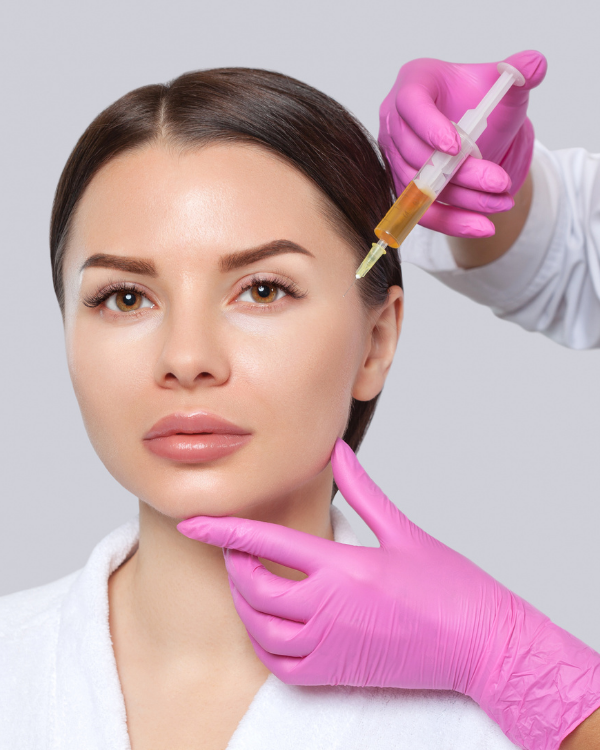
What happens during a PRP session at the KIC
Every treatment journey begins with a free initial consultation: examination of the scalp or skin, review of medical history, discussion of your expectations and confirmation of your eligibility for PRP. This step is systematic, with no obligation and no fee.
A PRP session follows four steps:
- Blood draw: a small amount of blood (15 to 30 mL depending on the area to be treated) is drawn from the crease of the elbow, as for a standard laboratory test.
- Centrifugation: the tube is placed in a medical centrifuge. Within minutes, the blood components separate into distinct layers and the platelet-rich plasma is isolated.
- Preparation of the treatment area: the scalp or face is cleansed and disinfected; a topical anaesthetic cream may be applied to improve comfort during the injections.
- Targeted injections: the practitioner injects the PRP using very fine needles, following a pattern adapted to the area and the indication. The session lasts between 45 minutes and 1 hour 20 minutes, depending on the extent of treatment and whether microneedling is combined.
After the session, you can resume your normal activities immediately. No social downtime is required.
How many PRP sessions will you need?
The number of sessions varies according to the indication, the stage of hair loss or skin maturity, and each patient’s individual response. A precise, personalised treatment plan is established during the free initial consultation.
Indicative protocols:
- Hair PRP: 4 to 6 sessions spaced 3 to 4 weeks apart during the initial phase, followed by maintenance sessions every 6 to 12 months to preserve results
- Facial PRP: 3 sessions spaced 4 to 6 weeks apart during the initial phase, then one maintenance session every 6 to 12 months depending on skin evolution and personal goals
The multi-session packages offered by the clinic (4 or 6 sessions for hair, 3 sessions for facial treatment) are designed to cover the full initial phase at a preferential rate.
Who can benefit from PRP?
Eligibility and contraindications
PRP is well tolerated by most adult patients in good general health. Certain situations, however, require medical precautions or constitute formal contraindications.
Patients generally eligible for PRP:
- Adult in good general health
- Early to moderate androgenetic alopecia (male or female)
- Reactive hair loss (post-partum, stress, corrected deficiencies)
- Skin showing signs of premature ageing or moderate laxity
- Superficial acne scarring
- Motivated patient, prepared to follow a multi-session protocol
Main contraindications:
- Ongoing anticoagulant treatment
- Haematological disorders (thrombocytopenia, haematological malignancies)
- Active infection on the treatment area (folliculitis, herpes, acute eczema)
- Pregnancy and breastfeeding
- Active autoimmune disease
- Active or recent cancer
- Ongoing immunosuppressive treatment
A preliminary blood test may be requested by your practitioner to confirm eligibility: full blood count, platelet count, coagulation profile, serology. At the Kensington Clinic, this workup can be carried out on site within the same care pathway.
Side effects, aftercare and recovery
Because PRP is autologous, serious side effects are rare. Immediate after-effects are generally mild and transient.
Common after-effects (24 to 72 hours):
- Mild redness on the treated area
- Local tenderness or a feeling of tightness
- Small bruises at injection points
- Mild swelling, particularly on the face and around the eyes
- Transient itching of the scalp
Post-session recommendations:
- Avoid touching or rubbing the treated area for 12 hours
- No make-up or topical products for 24 hours after a facial treatment
- No shampoo for 24 hours after a hair PRP session
- Avoid intense sport, sauna, steam room and direct sun exposure for 48 hours
- Avoid alcohol and aspirin for 24 hours before and after the session
Any persistent or unusual side effect should be reported promptly to your practitioner.
PRP, microneedling and mesotherapy: how do they compare?
Several aesthetic medicine techniques share the goal of stimulating skin regeneration. Understanding how they differ helps you choose the treatment best suited to your situation.
PRP vs microneedling: microneedling on its own relies on mechanical stimulation (controlled micro-perforations) to trigger a healing response and collagen production. PRP adds the growth factors drawn from your own blood. The two techniques are often combined to potentiate their respective effects.
PRP vs mesotherapy: mesotherapy consists of injecting a cocktail of vitamins, minerals and amino acids of pharmaceutical origin into the dermis. PRP, by contrast, is strictly autologous: no foreign substance is introduced. Patients looking for a fully natural approach typically lean towards PRP.
PRP vs hyaluronic acid or botulinum toxin: these are dermal fillers and muscle relaxants that act immediately but in a targeted and temporary way. PRP stimulates the skin’s own regenerative mechanisms with a global, progressive effect. The approaches are complementary rather than interchangeable.
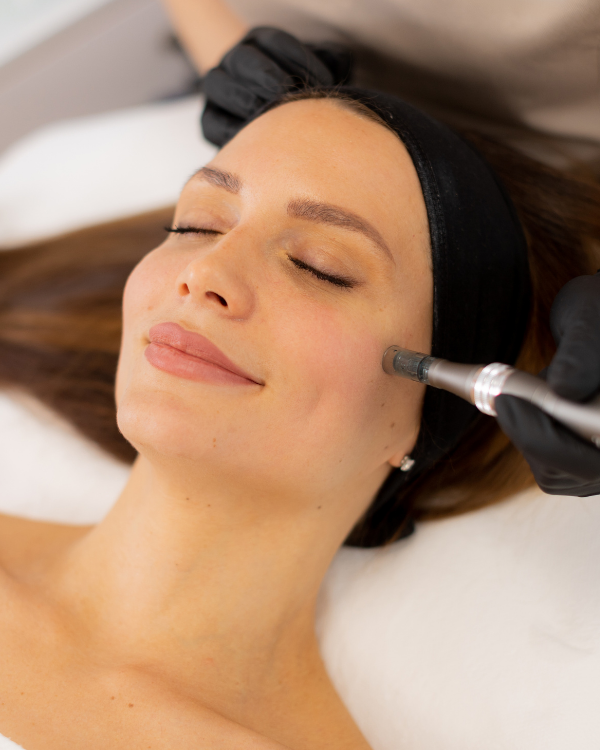
What happens during a PRP session at the KIC
Every treatment journey begins with a free initial consultation: examination of the scalp or skin, review of medical history, discussion of your expectations and confirmation of your eligibility for PRP. This step is systematic, with no obligation and no fee.
A PRP session follows four steps:
- Blood draw: a small amount of blood (15 to 30 mL depending on the area to be treated) is drawn from the crease of the elbow, as for a standard laboratory test.
- Centrifugation: the tube is placed in a medical centrifuge. Within minutes, the blood components separate into distinct layers and the platelet-rich plasma is isolated.
- Preparation of the treatment area: the scalp or face is cleansed and disinfected; a topical anaesthetic cream may be applied to improve comfort during the injections.
- Targeted injections: the practitioner injects the PRP using very fine needles, following a pattern adapted to the area and the indication. The session lasts between 45 minutes and 1 hour 20 minutes, depending on the extent of treatment and whether microneedling is combined.
After the session, you can resume your normal activities immediately. No social downtime is required.
How many PRP sessions will you need?
The number of sessions varies according to the indication, the stage of hair loss or skin maturity, and each patient’s individual response. A precise, personalised treatment plan is established during the free initial consultation.
Indicative protocols:
- Hair PRP: 4 to 6 sessions spaced 3 to 4 weeks apart during the initial phase, followed by maintenance sessions every 6 to 12 months to preserve results
- Facial PRP: 3 sessions spaced 4 to 6 weeks apart during the initial phase, then one maintenance session every 6 to 12 months depending on skin evolution and personal goals
The multi-session packages offered by the clinic (4 or 6 sessions for hair, 3 sessions for facial treatment) are designed to cover the full initial phase at a preferential rate.
PRP treatment costs in London
The Kensington International Clinic publishes its fees transparently. Multi-session packages help reduce the overall cost of a complete initial phase.
Hair PRP: consultation and session fees
Treatment | Duration | Fee |
|---|---|---|
First consultation and treatment plan
| 1h20 | From £350
|
Follow-up session
| 1h | From £300
|
4-session package
| / | From £1,000
|
6-session package
| / | From £1,400
|
Facial PRP: skin rejuvenation fees
Treatment | Duration | Fee |
|---|---|---|
Facial PRP treatment
| 1h20 | From £250
|
Facial PRP with microneedling
| From £350
| |
3-session package, facial PRP
| From £700
| |
3-session package, PRP with microneedling
| From £1,000
|
Booking terms: a £70 prepayment is required at the time of booking. The balance is settled on the day of the session.
Cancellation policy:
- More than 72 hours in advance: full refund
- Between 48 and 72 hours: the £70 prepayment is retained
- Less than 48 hours: the session is charged in full
Some international health insurance policies and expatriate schemes cover part of the cost of medical aesthetic treatments. We recommend checking your coverage directly with your insurer before booking.
Free initial consultation: assess your eligibility at no cost
Unlike many clinics that charge for the first visit, the Kensington International Clinic offers a fully free initial assessment for any patient considering a PRP treatment. This 20 to 30 minute appointment allows us to:
- Examine your scalp or skin in a medical setting
- Discuss your medical history, current treatments and expectations
- Assess your genuine eligibility for PRP
- Consider, where relevant, alternatives better suited to your situation
- Build a personalised treatment plan with a detailed estimate
No commitment is expected at the end of this consultation. It is an information step, not a sales appointment.
Book your PRP consultation in London
The Kensington Clinic is located at 2 North Terrace, London SW3 2BA, a 6-minute walk from South Kensington station and 8 minutes from Knightsbridge. Consultations are available in French and English, and our team welcomes London-based and international patients alike, with a natural French-speaking reception for London’s French community.
To book your free initial consultation or a PRP session, call us on 020 7589 9321, email contact@kic.london, or use our online booking system directly.