

Personalised genetic analysis for your health and wellbeing
At our Kensington Clinic in London, we offer a range of DNA tests. A complete offering geared towards prevention, wellbeing and in-depth understanding of your biological profile.
Your DNA contains dense, valuable information about how your body functions, ages, tolerates certain foods, responds to physical effort or defends itself against particular diseases. A well-framed DNA test, read by a qualified medical geneticist, turns this raw information into concrete recommendations.
In our private clinic, every analysis is prescribed and rigorously interpreted by Dr Ehsan Ghayoor Karimiani. A consultant in medical genetics (MD, MRes, PhD from the University of Manchester), he consults in English and Persian.
What is a DNA test?
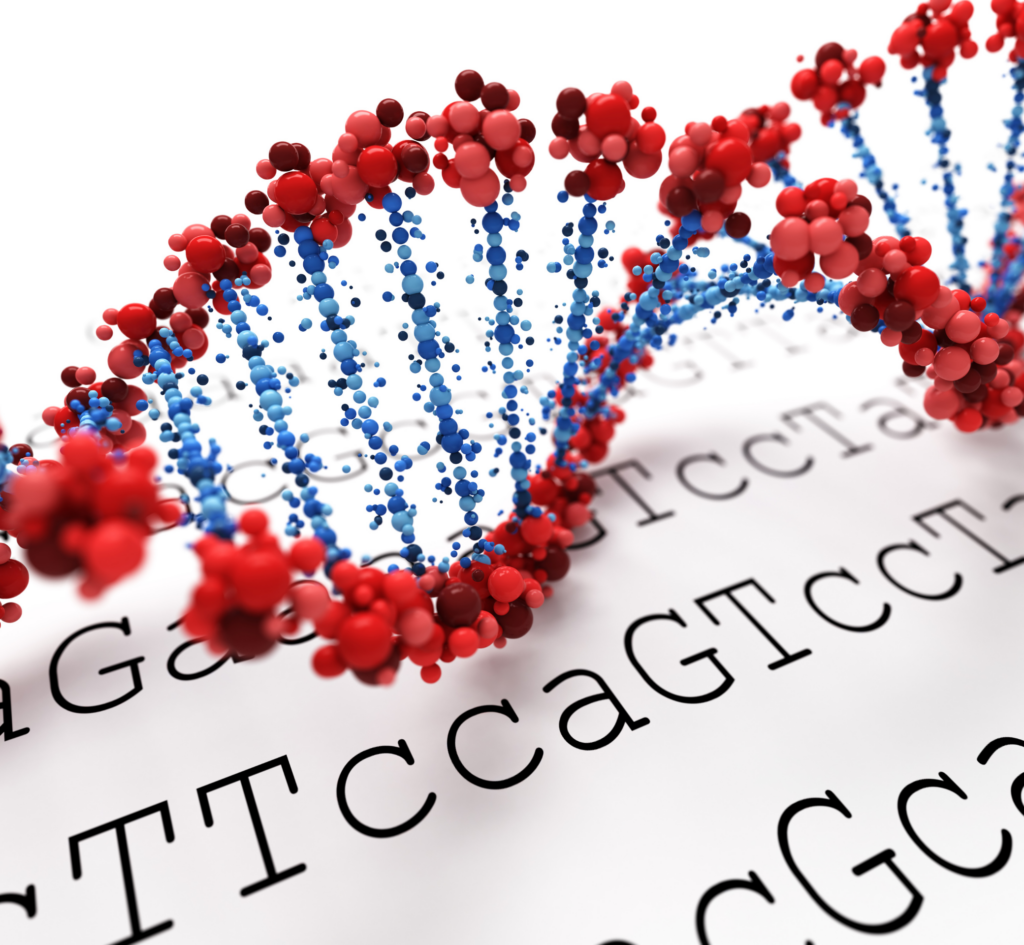
A DNA test is a laboratory examination that analyses certain regions of your genome. The DNA is collected from a simple biological sample, most often a buccal swab or a saliva sample.
The aim is not to deliver a blunt diagnosis, but to identify genetic variants that scientific literature has shown to influence certain aspects of your health, your metabolism, or your sensitivity to external factors.
A DNA test can notably reveal:
- Predispositions to certain chronic conditions (cardiovascular disease, metabolic disorders, some frequent cancers);
- Functional variants that affect how your body metabolises nutrients, medications or alcohol;
- Food or environmental sensitivities of genetic origin;
- Performance profiles useful for tailoring a sports programme;
- Metabolic markers (caffeine, lipids, carbohydrates, vitamins).
! A DNA test does not replace a clinical assessment. It complements it, bringing a predictive and personalised dimension that standard examinations cannot provide. Its real usefulness depends directly on the quality of its interpretation. It is the medical reading, not the raw laboratory report, that gives the examination its clinical value.
How does a DNA test work?
The technical protocol unfolds in five successive steps.
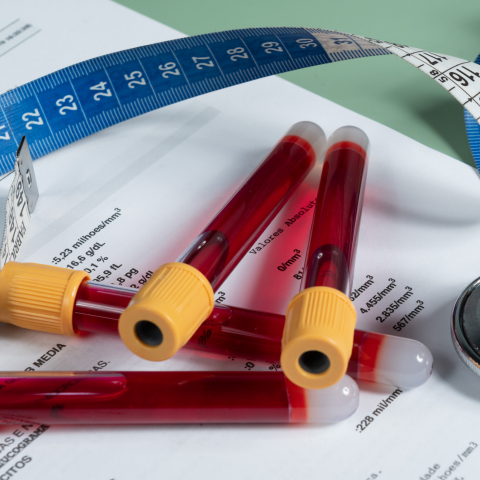
- Biological sampling: in most DNA tests offered in private medicine in London, the sample is a buccal swab (a cotton bud rubbed inside the cheek) or a saliva sample. For certain more specialised analyses, a blood sample may be required.
- DNA extraction: the laboratory purifies the DNA using solvents and magnetic beads, until an extract is obtained that is clean and concentrated enough to be analysed.
- Amplification and sequencing: depending on the type of test, the DNA is analysed either by SNP array (DNA chips that target pre-identified variants, used in health, nutrition and fitness tests), or by next-generation sequencing (NGS, which reads all of the coding regions or the full genome, used for more in-depth clinical analyses).
- Bioinformatic analysis: the raw data is compared against reference databases to identify the variants present, their frequency in the population, and their documented clinical significance.
- Medical interpretation: the report is sent to the medical geneticist, who reads it in light of your personal and family history, then explains the results in a dedicated consultation.
The reliability of each step depends on the quality of the laboratory, the sequencing protocol, and the robustness of the reference databases. In our private London clinic, we work with accredited laboratories and standardised protocols, which guarantee the reproducibility of results.
DNA tests at the Kensington Clinic in London: a complete range of complementary approaches
The DNA tests prescribed in our London clinic are organised around several programmes oriented towards health, wellbeing and prevention. Each targets a distinct dimension of your genetic profile, with a detailed report and an interpretation consultation delivered by Dr Ghayoor Karimiani. The tests can be combined for a cross-cutting approach, or prescribed individually depending on your request and your clinical history.
DNA health testing: anticipating your health predispositions
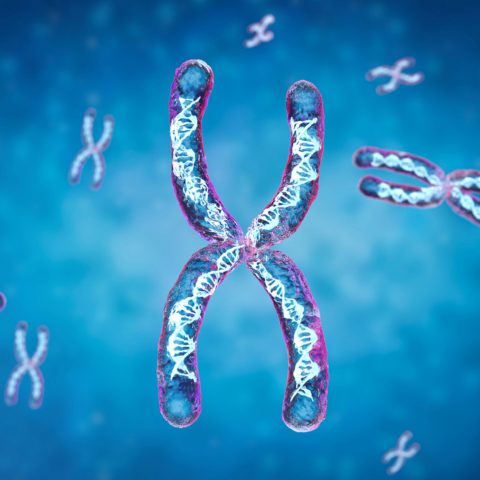
DNA health testing is probably the most requested programme in private medicine. It consists of evaluating your genetic predispositions to a series of chronic conditions, based on a panel of variants well documented in scientific literature.
The test notably covers:
- Cardiovascular conditions (hypertension, high cholesterol, risk of coronary events);
- Metabolic disorders (type 2 diabetes, insulin resistance, obesity);
- Certain frequent forms of cancer;
- Documented inflammatory and autoimmune conditions.
! The test does not predict the disease: it identifies a relative level of risk compared to the general population. A high predisposition score for diabetes, for instance, does not mean that you will develop diabetes. It means that your profile justifies heightened vigilance, adapted biological follow-up, and, where necessary, early lifestyle adjustments. It is precisely this preventive angle that gives DNA health testing its value.
DNA nutrition test: tailoring your diet to your genetic profile
The DNA nutrition test belongs to nutrigenomics, the discipline that studies the interactions between your genes and your diet. It analyses the variants that influence how your body metabolises the main families of nutrients, as well as your ability to absorb certain vitamins and micronutrients.
What this test can reveal:
- Your metabolic sensitivity to carbohydrates and lipids;
- Your metabolism speed for caffeine and alcohol;
- Your absorption capacity for vitamins (vitamin D, folates, B12);
- Your predisposition to certain mineral deficiencies (iron, magnesium, zinc);
- Your lactose tolerance and your genetically determined gluten sensitivity.
Here again, a DNA diet test only has value if it is interpreted rigorously, then integrated into a global nutritional plan. At the Kensington Clinic, interpretation is delivered by Dr Ghayoor Karimiani, and may, where appropriate, be complemented by a dietetic consultation within our nutrition team.

DNA allergy test: identifying your food and environmental sensitivities
The DNA allergy test analyses the genetic variants associated with food sensitivities, lactose or gluten intolerance, histamine intolerance, or certain environmental allergens.
It does not replace classic allergy tests, which measure an active immune reaction, but complements them by identifying the underlying genetic terrain.
This test is particularly indicated in cases of:
- Unexplained recurring digestive symptoms (bloating, chronic discomfort);
- Chronic skin reactions (eczema, urticaria, redness);
- Food intolerances not resolved by standard assessments;
- Family history of allergies or atopic conditions.
It forms one piece of the puzzle that your doctor assembles alongside the other available examinations, to arrive at a coherent reading of your profile.

DNA fitness test: optimising your performance through sports genomics
The DNA fitness test is designed for amateur sports enthusiasts, trained athletes, and anyone wishing to tailor their training to their biological profile. It analyses the variants that determine your physiological potential across several key dimensions.
What this test can shed light on:
- Your dominant muscle fibre type (strength/explosive power vs endurance);
- Your maximum aerobic capacity and your response to cardio training;
- Your post-exercise recovery speed and your inflammatory response;
- Your susceptibility to certain tendon or ligament injuries;
- Your specific needs in hydration and in micronutrients linked to physical effort.
From this profile, the report guides you towards more personalised training and recovery strategies. This type of DNA test is increasingly used in London’s private clinics that support an active patient base.
Other indications fall under specific care pathways within our private clinic, organised around distinct clinical expertise:
- Analyses related to fertility;
- Screening for oncological conditions;
- Specialised family counselling.
Each of these pathways is delivered through a dedicated consultation with the relevant specialist practitioner.
Dr Ehsan Ghayoor Karimiani, your referring doctor for DNA tests in London
Dr Ehsan Ghayoor Karimiani is a consultant medical geneticist registered with the General Medical Council (GMC). He obtained his medical doctorate (MD), his Master of Research (MRes) and his PhD in medical genetics at the University of Manchester, where he specialised in rare hereditary disorders and neurogenetics.
His career combines several dimensions of expertise rarely found together:
- Over eight years of clinical practice within the NHS and in international reference centres;
- Honorary Lecturer at University College London (UCL, Neurogenetics Unit) and at St George’s, University of London;
- More than one hundred scientific publications in international peer-reviewed journals;
- Contribution to the discovery of several genes responsible for rare diseases;
- Particular expertise with patients from Middle Eastern and international communities.
Dr Ghayoor Karimiani consults in English and Persian, which makes him a trusted interlocutor for the French-speaking community in London and for international patients who wish to be supported in their native language on a subject as sensitive as a genomic analysis.
Your DNA test at the Kensington Clinic: step by step
Undergoing a DNA test in London at our clinic unfolds across three distinct stages.
Stage 1: Initial consultation with Dr Ghayoor Karimiani
- Definition of the most relevant test given your request
- Analysis of your personal and family history
- Explanation of what the results can and cannot tell you
- Provision of preparation instructions, where necessary
Stage 2: Sample collection at the clinic
- Buccal swab in most cases, blood sample for certain analyses
- Procedure takes a few minutes, painless
- No specific preparation in most cases
- Immediate dispatch to the accredited partner laboratory
Stage 3: Medical interpretation and results
- Results returned within three to six weeks, depending on the depth of the analysis
- Dedicated results consultation with Dr Ghayoor Karimiani
- Delivery of the full report and personalised recommendations
- Storage of genetic data in compliance with British medical confidentiality standards
The Kensington Clinic is located at 2 North Terrace, London SW3 2BA, a six-minute walk from South Kensington station.
How much does a DNA test cost : in London?
The price of a DNA test in London varies according to the depth of the genomic analysis chosen and the number of variants included in the panel.
Pricing benchmarks to keep in mind:
- DNA health testing, Predisposition Risk Scoring (15+ conditions): from £310.
- Nutrition, allergy and fitness programmes: price communicated at the initial consultation, according to the panel selected.
- In-depth analyses by full exome sequencing: from £600 to £700 depending on scope.
- Initial consultation and results consultation billed separately from the laboratory analysis.
Some private health insurance policies cover all or part of genomic analyses: we recommend that you check your cover with your insurer before booking your appointment.
Book your DNA test in London
The Kensington Clinic welcomes patients from Greater London, Europe and around the world. To book your consultation with Dr Ehsan Ghayoor Karimiani, please contact us:
- By phone on 020 7589 9321;
- By email at contact@kic.london;
- Directly through our online booking system.
Consultations are available in English and Persian, and can take place in person at our London clinic, or via video for the initial assessment consultation.
FAQ
How long does a DNA test take?
The average time to receive DNA test results in London is three to six weeks between sample collection and the results consultation.
This timeframe depends on several factors:
- Targeted panel (health, nutrition, fitness): three to four weeks on average.
- Analysis by full exome sequencing: five to six weeks.
- Partner laboratory and current workload.
- Scheduling of the results consultation.
At the Kensington Clinic, the report is never communicated before Dr Ghayoor Karimiani has interpreted it within a dedicated consultation.
Are DNA tests accurate?
Yes. A DNA test carried out in an accredited laboratory and interpreted by a consultant in medical genetics offers a very high level of technical reliability.
This reliability rests on three pillars:
- A standardised protocol (SNP array or next-generation sequencing);
- A laboratory accredited to international ISO standards;
- A medical interpretation delivered by a qualified medical geneticist.
The limit to bear in mind lies in clinical interpretation: a DNA test identifies predispositions, not diagnoses. Its usefulness therefore depends as much on the medical reading as on the quality of the laboratory.
Can a DNA test replace a regular medical consultation?
No. A DNA test is a complement to the medical assessment, never a substitute.
It does not replace:
- The clinical examination carried out by a doctor;
- Standard biological examinations (blood work, imaging, etc.);
- The specialist’s opinion on a specific symptom or condition;
- Regular medical follow-up.
At the Kensington Clinic in London, every DNA test is systematically framed by a double medical consultation: a preliminary assessment, followed by a dedicated interpretation of the results.